

Make Your Brain Great Again
7 things thriving people do for brain health

Most people think that cognitive decline is inevitable but if you’ve been reading The Brain Reset, you already know that lapses in focus and slower recall aren’t just part of getting older.
Your brain can stay sharp, adaptive, and creative. But only if you treat it right.
Jim Kwik, brain coach and a world expert in speed reading, memory improvement, and optimal brain performance, has distilled decades of research and practical/personal experience into seven habits that successful people use to protect and grow their brains.
💡 Every single one of them is available to you for free, right now.
This isn’t about overnight fixes. It’s about stacking small, deliberate practices that, together, reset how your brain functions.
In summary: Sleep deeply. Learn with curiosity. Move with intention. Reset with rhythm. Connect with care. Eat with wisdom. Fail forward.

1. Sleep: The Foundation of Clarity
Kwik puts sleep first for a reason: it is the ultimate reset button. When you sleep, your brain consolidates memories, clears toxic waste products through the glymphatic system, and restores emotional balance. Without it, every other habit on this list crumbles.
Think of it this way: sleep is not lost time, it’s the most productive thing your brain does.
Mini Reset for Tonight:
Aim for 7–9 hours of quality sleep. I personally do well with 6.5 hours. Everyone is different but if you don’t sleep enough and well enough, you’ll know!
No screens at least 30 minutes before bed (blue light delays melatonin).
Try “sleep stacking”: pair a consistent bedtime with a short wind-down ritual (stretch, journal, light reading, or audio book).
👉 Ask yourself: What is the one thing I could change tonight to improve my sleep?
2. Continuous Learning: Spark Neuroplasticity
Your brain is like a muscle: it strengthens when challenged. Novel learning stimulates neuroplasticity. That’s the ability of your brain to form and reorganise connections. Without it, cognitive decline is almost unavoidable.
But this doesn’t mean cramming textbooks. The key is novelty and curiosity. Learn to cook a new dish, practice five phrases in Italian, explore a different neighbourhood on your next walk.
Research shows that even 15 minutes of deliberate learning daily boosts memory and long-term brain health.
Mini Reset for Today:
Learn one new thing daily. A fact, a skill, a perspective.
Keep a “brain journal” where you write down each day’s micro-lesson.
👉 Ask yourself: What am I curious about right now? Curiosity is your brain’s growth hormone.
BONUS TIP — Use Kwik’s FAST framework to lock in learning:
1. Forget distractions
2. Active engagement
3. Space out reviews
4. Teach what you learnAction Step: After digesting new information, spend 5 minutes verbally summarising it. Repeat briefly the next day.
3. Exercise: Movement is Brain Medicine
When you move, you increase blood flow to the brain and stimulate BDNF (Brain-Derived Neurotrophic Factor), the “Miracle-Gro” for your neurons. Exercise literally helps your brain grow.
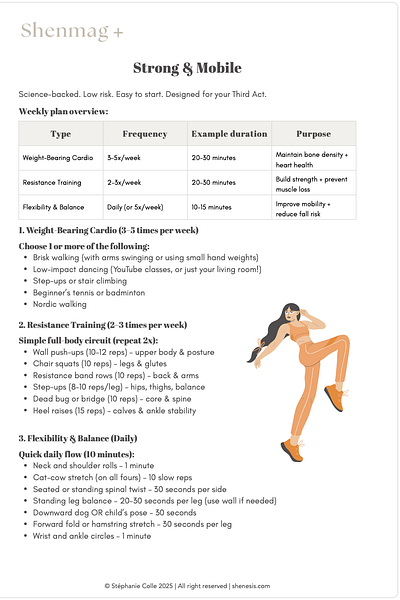
Studies show just 20 minutes of movement can boost memory and improve mood. You don’t need a gym membership: walk, stretch, dance in your living room.
Mini Reset for Today:
Take a brisk 20-minute walk after lunch.
If you sit for long hours, set a timer: every 50 minutes, stand up, stretch, and move.
👉 Ask yourself: Am I moving enough to move my mind forward?
4. Stress Management: Reset Before You Snap
Chronic stress shrinks the hippocampus (your memory hub) and hijacks focus. But stress itself isn’t the enemy, it’s your ability to reset that matters.
The most successful people build in micro-resets throughout their day.
Mini Reset for Today:
Try the 90/10 rhythm: focus deeply for 90 minutes, then pause for 10.
During those 10 minutes, move, hydrate, breathe, or look out a window.
👉 Ask yourself: Where can I pause today, instead of pushing through?

5. Healthy Relationships: Your Mind Needs Social Fuel
Your brain thrives in connection. Studies on longevity consistently show that social ties are the strongest predictor of well-being, even more than diet or exercise!
But here’s the thing: it’s not about quantity, it’s about quality. Positive, growth-oriented relationships buffer your brain against decline. Toxic connections do the opposite.
Mini Reset for Today:
Reach out to one person who uplifts you: send a text, make a call, or meet for a walk.
Protect your energy by noticing who leaves you drained, and try to limit that exposure.
👉 Ask yourself: Who gives me energy and who takes it away?
6. Nutrition: Feeding Your Neurons
Food isn’t just calories, it’s information for your cells. The brain runs on what you eat, and it thrives on stable energy, not sugar spikes.
Kwik highlights the importance of brain-supportive foods: berries, leafy greens, nuts, olive oil, fatty fish. Even small swaps create noticeable change.
You don’t put low grade fuel in a high performance car, right? — Jim Kwik
Mini Reset for Today:
Add one brain-healthy food to your next meal.
Replace processed snacks with nuts, fruit, or dark chocolate.
👉 Ask yourself: Am I feeding my brain what it deserves or just what’s convenient?

7. Embrace Failure as Feedback
The most successful minds don’t avoid failure, they use it. Failure is data, a signal pointing you toward growth.
Feedback is the breakfast of champion. — Jim Kwik
The only true failure is refusing to learn.
Mini Reset for Today:
Next time something doesn’t work, pause. Ask: What is this teaching me?
Write the lesson down. It makes the learning stick.
👉 Ask yourself: What if failure was my teacher, not my enemy?
Want more mini resets like these, designed to sharpen your brain and steady your mood without overload?
Subscribe to The Sunday Reset — your weekly dose of science-backed, soul-friendly strategies to beat the Sunday blues and ease into Monday.
📬 Delivered every Sunday. Always bite-sized. Always grounded.

Here’s the Challenge
Reading through these seven practices might feel like a lot. But you don’t need to do all seven at once.
Start with one. Stack another. Over time, you’ll have built a system that makes your brain resilient, adaptable, and ready for anything.
👉 Which one will you start with today?
In Short
Making your brain great again isn’t about quick fixes. It’s about consistency.
Sleep deeply. Learn with curiosity. Move with intention. Reset with rhythm. Connect with care. Eat with wisdom. Fail forward.
That’s the blueprint.
Because ageing isn’t about decline, it’s about design. And your brain is the ultimate architect.
Here is the full 7 Things Successful People Do for Brain Health video👇
Related posts:


If you liked this post, support The Brain Reset:
→ If this sparked something in you, give this post a like.
→ If you have a thought to share or just want to chime in, leave a comment.
→ And if it made you rethink something and you want to spread the word, restack.
The Brain Reset is more than a newsletter. It’s a conversation about ageing on our own terms. Every interaction helps it grow. Let’s rethink midlife. Redefine ageing. And rewrite what comes next.